






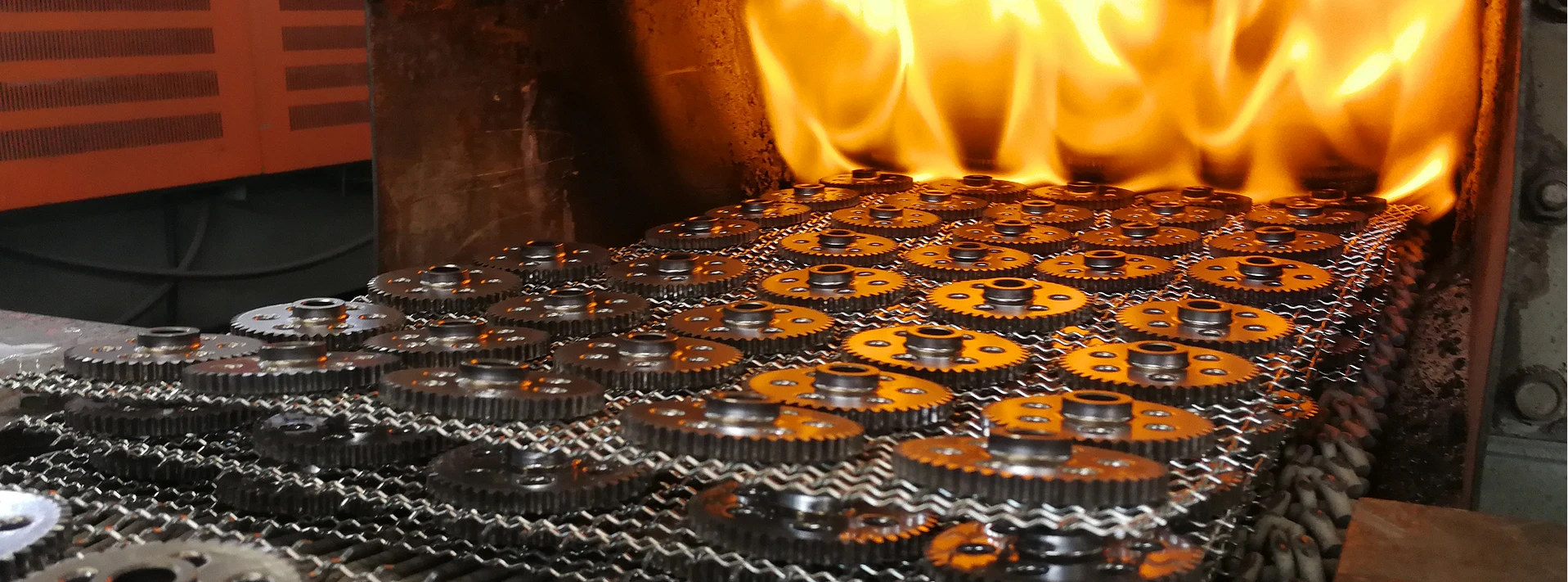
Did you know inconsistent density in your PM parts costs 18% more in post-processing? Our data reveals 63% of failed sintered components trace back to flawed compaction. You deserve better. Let's fix your powder metallurgy process sequence today.
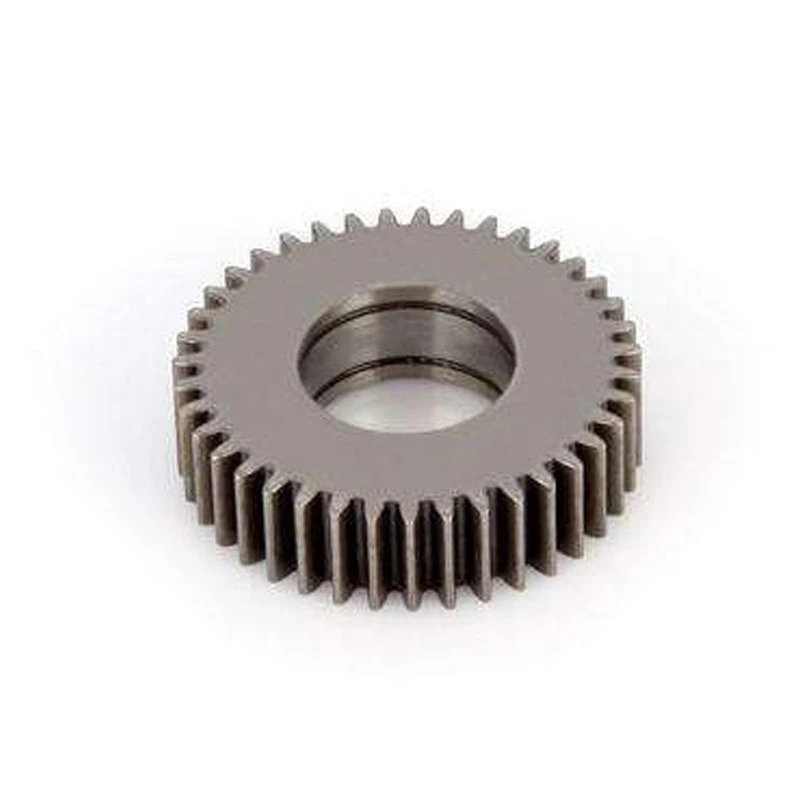
(compaction process in powder metallurgy)
3 Game-Changing Advantages in Modern Compaction Technology
Our ISO 9001-certified compaction process in powder metallurgy
delivers:
- ✅ ±0.3% density uniformity
- ✅ 22% faster cycle times
- ✅ 0.005mm dimensional accuracy
| Feature | Our Press | Standard Press |
|---|---|---|
| Max Pressure | 1200 MPa | 800 MPa |
| Automation | AI-Powered | Manual |
Ready to Boost Your PM Yield by 35%?
Join 450+ industry leaders who transformed their process in powder metallurgy. Click below to claim your free compaction audit!

(compaction process in powder metallurgy)
FAQS on compaction process in powder metallurgy
Q: What is the compaction process in powder metallurgy?
A: The compaction process in powder metallurgy involves compressing metal powders into a desired shape using high-pressure tools. This step ensures proper density and structural integrity before sintering. Lubricants are often added to reduce friction during pressing.
Q: Why is the compaction process critical in powder metallurgy?
A: Compaction determines the final part's density, strength, and dimensional accuracy. Insufficient pressure can lead to weak or porous components. Proper compaction minimizes defects and ensures uniformity in the green compact.
Q: What are the main stages of the powder metallurgy process sequence?
A: The sequence includes powder mixing, compaction, sintering, and optional secondary operations like machining or coating. Compaction follows blending and precedes sintering in the workflow. Each stage impacts the final product's properties.
Q: How does compaction fit into the overall powder metallurgy process?
A: Compaction is the second step after powder mixing, where loose material is formed into a cohesive "green" part. It bridges raw material preparation and high-temperature sintering. This step defines the part's geometry and initial mechanical behavior.
Q: What factors influence the compaction process in powder metallurgy?
A: Key factors include applied pressure, tooling design, powder particle size, and lubricant use. Higher pressure increases density but may cause tool wear. Particle shape and distribution also affect compaction uniformity and final part quality.









